Home>Christian Resources>Christian Parties Around the World

Christian Resources
Christian Parties Around the World
Published: February 19, 2024
Explore the global impact of Christian political parties, their values, and how they integrate faith with governance, amid church-state dynamics.
(Many of the links in this article redirect to a specific reviewed product. Your purchase of these products through affiliate links helps to generate commission for Christian.net, at no extra cost. Learn more)
Table of Contents
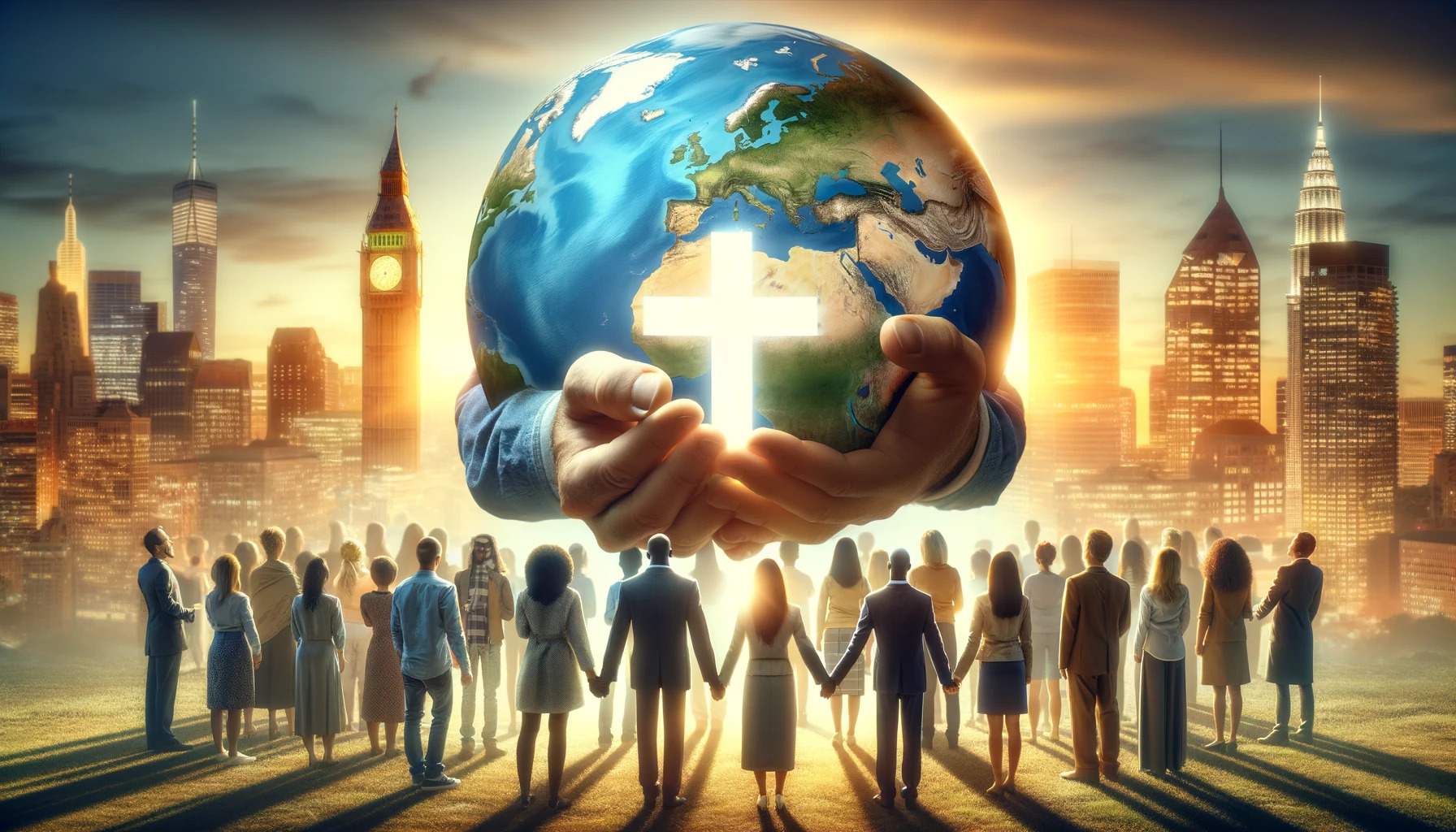
In the global political landscape, Christian parties stand as unique entities that seek to blend faith-based values with legislative governance. From Europe to the Americas and beyond, these parties aim to bring Christian principles to the forefront of public policy, navigating the complex relationship between faith and politics. This article provides a captivating journey through the world of Christian political parties, exploring their platforms, influence, and the diverse ways they strive to implement Christian principles in governance.
The Essence of Christian Political Engagement
At the heart of Christian political engagement is the desire to embody Christian values such as compassion, justice, integrity, and stewardship within the political arena. These parties often find themselves at the intersection of faith and public policy, advocating for issues like family values, pro-life policies, religious freedom, and social justice—all through a Christian lens.
What does the phrase “separation of church and state” mean in this context? It represents a foundational principle in many democracies that aims to prevent the government from establishing an official religion or unduly interfering with religious freedom. However, Christian parties navigate this principle by advocating for policies that reflect their moral values, rather than seeking to establish a theocracy.
A Global Overview of Christian Parties
Europe: The Cradle of Christian Democracy
In Europe, Christian Democracy has a rich history, with parties like Germany’s CDU (Christian Democratic Union) and Italy’s DC (Democrazia Cristiana) playing pivotal roles in their countries’ post-World War II reconstruction and development. These parties typically emphasize social market economy, respect for human dignity, and a commitment to social justice.
How did the conflict between church and state affect German politics in the 1870s? This period, known as the Kulturkampf, saw significant tension between the newly unified German state under Bismarck and the Catholic Church. The resolution of these conflicts ultimately paved the way for the establishment of Christian Democratic parties, which sought to bridge the gap between Christian values and modern political governance.
The Americas: Faith and Politics in a New World
Across the Atlantic, countries like the United States and Brazil feature political parties and movements that, while not always officially Christian parties, often rally evangelical and Catholic voters around social conservative causes. The Republican Party in the U.S., for example, has a significant evangelical base, advocating for pro-life positions, religious freedom, and traditional family values.
In Latin America, countries like Brazil have seen the rise of parties such as the Social Christian Party, which blends Christian moral values with concerns for social justice and economic reform.
Africa and Asia: Emerging Voices in Christian Politics
In Africa, nations like Kenya and Zambia have political parties and leaders who openly profess Christian principles as guiding their policies and governance. The National Christian Coalition in Zambia, for example, is vocal about its Christian stance on social and ethical issues.
In Asia, the Christian Democratic Party in the Philippines seeks to influence governance through a platform based on Christian morals and ethics, particularly focusing on the poor and marginalized sectors of society.
Read more: Why And How Did Paul The Apostle Die?
Christian Principles in Action
Christian parties worldwide share a common goal of implementing Christian principles in governance. This includes:
- Pro-Life Advocacy: Championing the sanctity of life from conception to natural death.
- Family Values: Promoting policies that support traditional family structures and marriage.
- Religious Freedom: Ensuring that individuals have the freedom to practice their faith without government interference.
- Social Justice: Advocating for the poor, the marginalized, and the oppressed, drawing on the Christian call to care for the least of these.
What does the constitution say about church and state? While specifics vary by country, most democratic constitutions enshrine the principle of religious freedom, allowing Christian parties to participate in the political process without establishing a state religion. This constitutional provision enables these parties to argue for policies that they believe reflect Christian values, within the framework of a pluralistic society.
The Challenges Ahead
Christian political parties face numerous challenges in the modern world, including secularization, pluralism, and the delicate balance of respecting religious freedom while advocating for policies based on specific moral convictions. They must navigate the complex landscape of contemporary politics, ensuring that their participation contributes positively to the democratic discourse and respects the diversity of their societies.
Conclusion: Faithful Witness in the Public Square
As the world becomes increasingly interconnected and diverse, Christian parties continue to play a significant role in shaping the political discourse in many countries. By advocating for policies that reflect their values, these parties contribute to a rich tapestry of democratic engagement. Their journey reflects the ongoing dialogue between faith and public life, challenging both believers and non-believers to consider how moral and ethical principles can inform governance in the 21st century.
Christian political parties, by weaving their faith into the fabric of political action, remind us of the enduring relevance of Christian principles in addressing the challenges of modern society. As they navigate the complex relationship between church and state, their efforts underscore the possibility of a politics that seeks the common good, guided by the light of Christian faith.